

Carob magazine Africa sits down with one of Africa’s most respected names globally. He is not just a leader, he is a trail blazer and change maker, he is an internationally acclaimed legal giant, advisor to Ghana’s former president and former acting secretary. We talk to Kow Essuman about his work, career and plans for the future.
CAROB MAGAZINE: Can you tell us about your early years, where were you born, upbringing and
what shaped your path toward international law and public service?
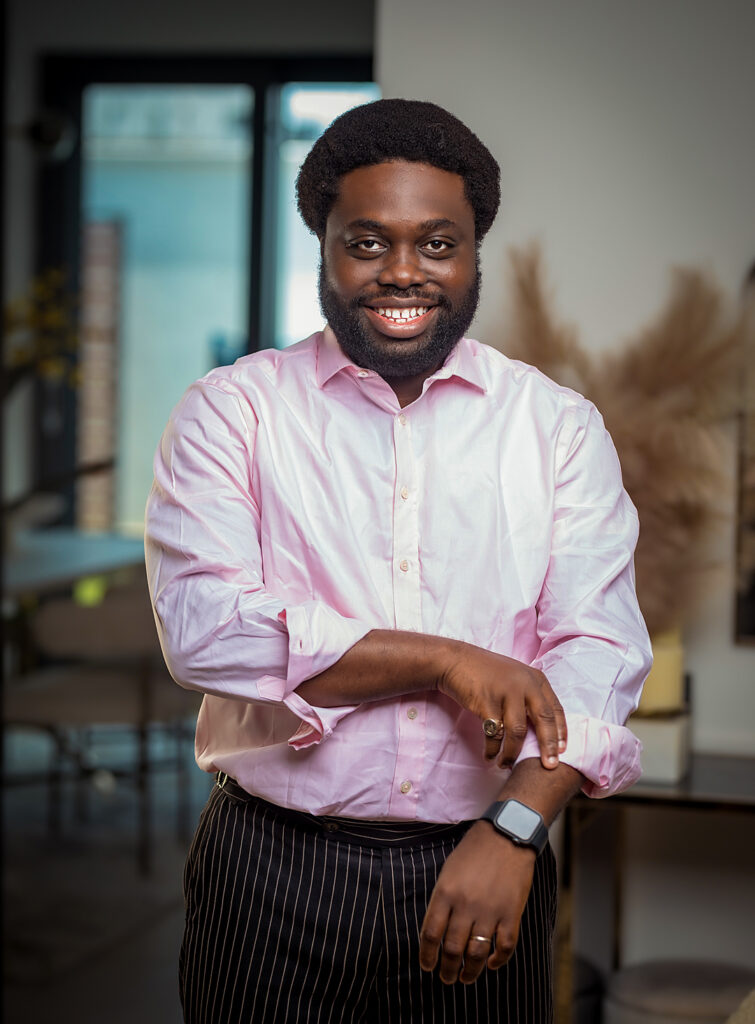
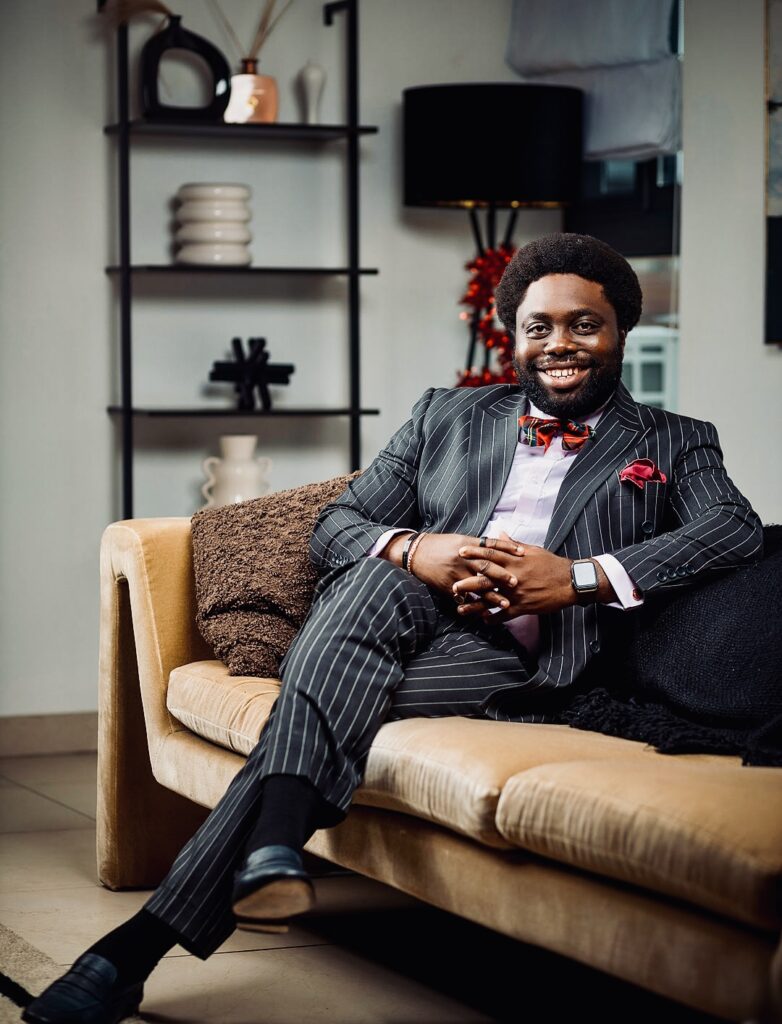
KOW ESSUMAN: I was born in Accra, Ghana, into a home where education was paramount. Both of my
parents are Professors in Education, so academic excellence was never optional; it was a way of life. I began my formal education at Morning Star School in Accra, where the foundations of discipline, curiosity, and excellence were laid. For secondary school, I attended Prempeh College in Kumasi, one of Ghana’s most prestigious institutions, where I studied Government, Economics, and Geography.
After Prempeh, I moved to London and enrolled at Holborn College for a Foundation in Law course. My time there was affirming. I was awarded the Best Student in Criminal Law. I went on to earn my law degree from the University of Westminster, graduating with Upper Second Class Honours, and subsequently joined the Honourable Society of Lincoln’s Inn. I completed the Bar Vocational Course at BPP Law School and was called to the Bar of England and Wales in 2008. While at BPP, I volunteered with the Personal Support Unit at the Royal Courts of Justice in London. We assisted litigants who did not have legal representation, often in bankruptcy, family, and other civil matters. That experience sparked my interest in public service. It was my first real encounter with law as a tool for dignity, fairness, and hope, especially for the vulnerable.
I later pursued a Master of Laws degree at Cornell University in New York, focusing on Financial Institutions, International Mergers and Acquisitions, and Commercial Litigation. While there, I volunteered at the Public Interest Clinic, advocating for individuals in Unemployment Insurance Benefits and Social Security Benefits cases. Those experiences deepened my conviction that the law must work not just for the powerful, but for everyone, especially for the vulnerable in society. Following Cornell, I returned to London to work as a legal consultant at a solicitors’ firm, and in 2010, I was admitted to the New York Bar as an Attorney and Counselor-at-Law. Later that year, I returned home to Ghana and joined Reindorf Chambers as a foreign associate. After being called to the Ghana Bar in 2011, I joined Bentsi-Enchill, Letsa & Ankomah, where I practised for six years and rose to the rank of Senior Associate in the Litigation and Dispute Resolution Department. In 2017, after the election of President Nana Addo Dankwa Akufo-Addo, I was invited to serve as Legal Counsel to the President; an extraordinary honour and responsibility I held for eight years. In the final months of the administration, I was appointed Acting Secretary to the President. Beyond the academic and professional journey, my Christian faith has also played a central role. I have always believed that service to others is one of the highest callings, and as Christians, we are expected to use our gifts and expertise in ways that uplift and serve humanity. That conviction has guided my path, combining international legal training with a deep sense of civic duty and purpose.

CAROB MAGAZINE AFRICA: What inspired you to study law across three jurisdictions—and how has that global training influenced your worldview?
KOW ESSUMAN: Honestly, there was no grand plan at the outset to study law across three jurisdictions. After secondary school, I enrolled at Holborn College in London to pursue a Foundation in Law programme. I excelled academically, earning the Best Student Award in Criminal Law, which gave me the confidence to continue on that path. During my university years, I immersed myself fully in the study and practice of law, taking up placements at firms such as Cumberland Ellis LLP and the Crown Prosecution Service. I was also fortunate to be selected for a mini pupillage at Tooks Chambers, designed specifically for law students from minority backgrounds. One opportunity naturally led to another, and in the course of my journey, I became qualified in England and Wales, the United States (New York), and later in Ghana.
Looking back, what stands out to me is how each jurisdiction offered something unique, not just in legal training, but in cultural perspective. Studying and working alongside colleagues from every corner of the globe broadened my thinking. It challenged my assumptions and helped me develop a global mindset rooted in empathy, diversity, and context. That cross-cultural exposure has been invaluable, particularly in international law and public service, where understanding different legal systems and cultural nuances is
often as important as the law itself. My global legal training didn’t just shape my career; it shaped my worldview. It taught me that excellence can be pursued anywhere, but impact often comes from being able to bridge worlds.
CAROB MAGAZINE AFRICA: What role has mentorship played in your career, and do you actively mentor the next generation?
KOW ESSUMAN: Mentorship has been foundational to my growth, both as a lawyer and as a public servant. Along the way, I was fortunate to be guided by senior lawyers and experienced professionals in public service who generously shared their wisdom, time, and counsel. Their mentorship shaped not just my career decisions, but also my values and approach to leadership. I was also blessed to have parents who, beyond being educators, served as lifelong mentors. They instilled in me a deep respect for service and the importance of integrity, reminding me that in public life, a good name is better than riches.
Because I have benefited so deeply from mentorship, I consider it a duty to pay it forward. I actively mentor young lawyers and emerging leaders, some of whom I personally identify with, and others who reach out seeking guidance. I try to offer the same honest advice, encouragement, and perspective I received when I was starting out. For me, mentorship is not just about giving back; it’s about investing in the future of our profession and our society.

CAROB MAGAZINE AFRICA: You’ve worked closely with the Presidency of Ghana. How does legal counsel influence executive decision-making in practice?
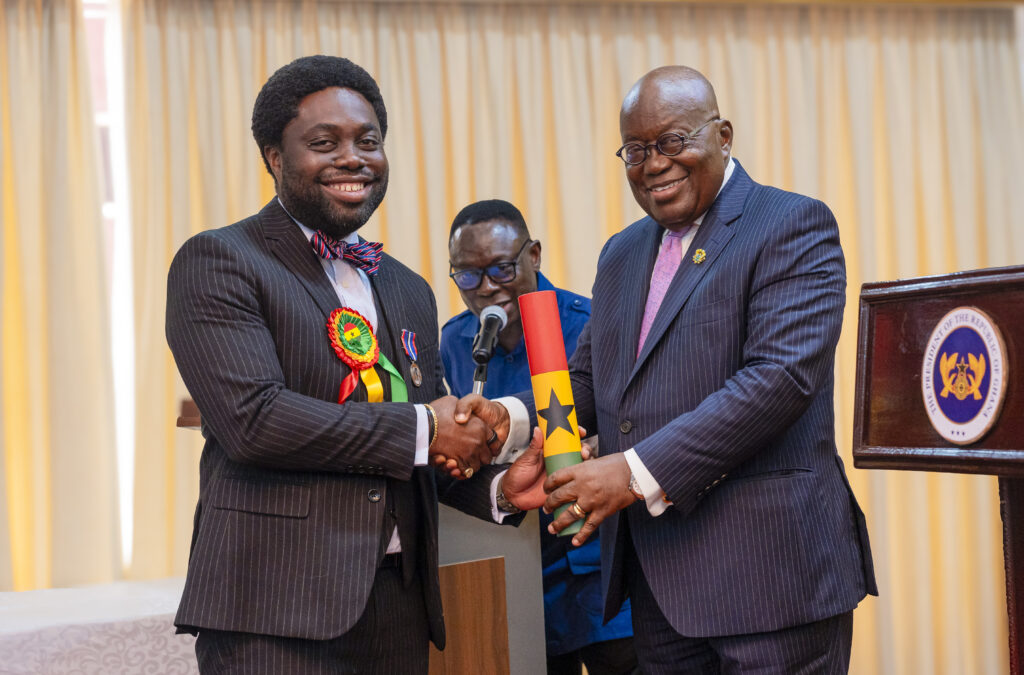
KOW ESSUMAN: Yes, I had the distinct honour of serving in the highest office of the land as Legal Counsel to the President of the Republic of Ghana for eight years and, in the final months of the administration, as Secretary to the President. This role came with immense responsibility and placed me at the intersection of law, governance, and national decision-making. In practice, legal counsel plays a critical and often understated role in executive decision-making. The executive authority of the President, while broad, is defined and constrained by the Constitution and other applicable laws. Every decision taken by the President,whether it pertains to appointments, international agreements, statutory instruments policy implementation, or public communications, must have a legal basis and with constitutional scrutiny. My role was to ensure that those decisions not only aligned with the President’s policy vision but were also firmly grounded in law.
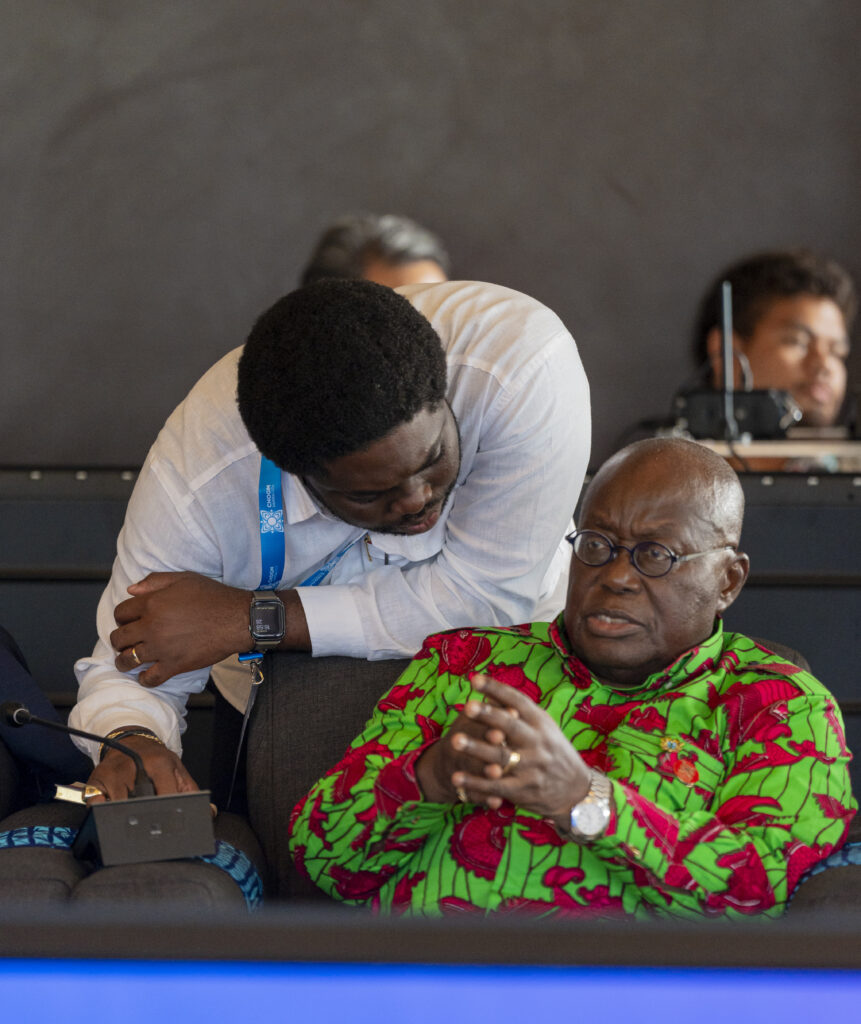
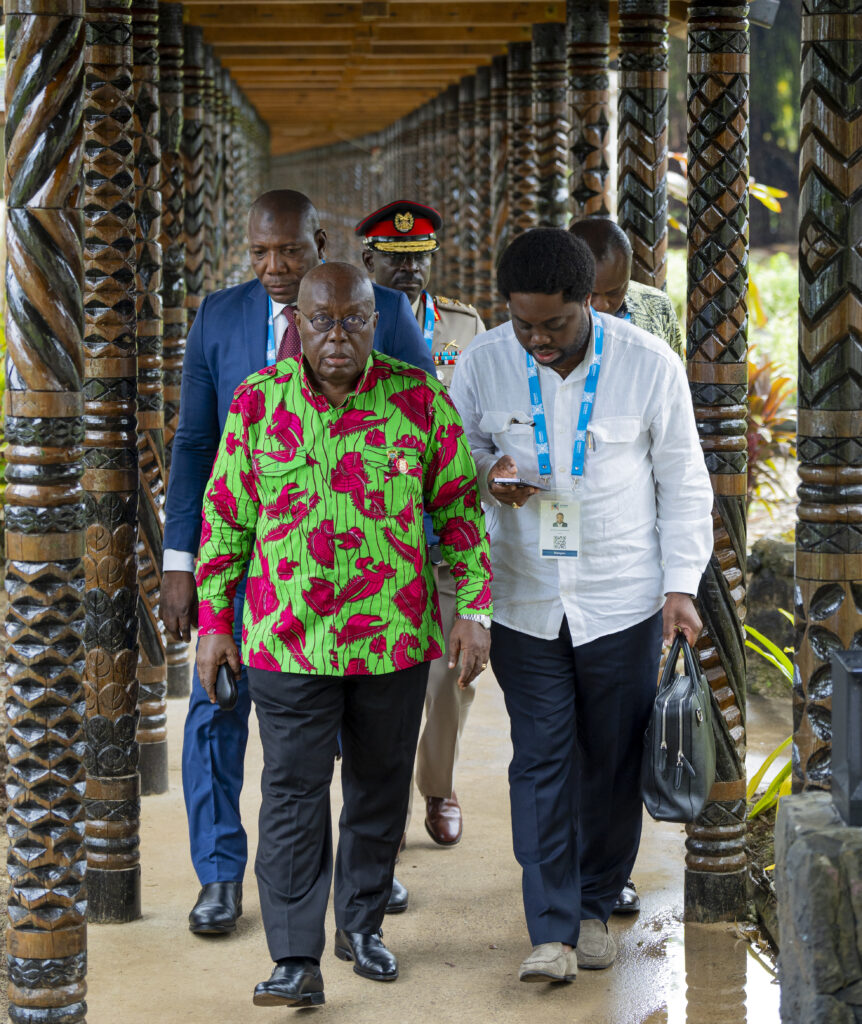
One of the challenges in executive governance is the pace at which decisions must be made. In moments of urgency, there is always the risk that decisions may be taken without full consideration of their legal implications. That’s where the presence of Legal Counsel is indispensable. Without that filter, a well-intentioned executive action could easily result in constitutional breaches, legal challenges, or public controversy. My job was to prevent that. On a day-to-day basis, I reviewed a wide range of documents before they reached the President’s desk: legal opinions, policy memoranda, petitions, agreements, contracts, Bills, statutory instruments, and constitutional appointments. I worked closely with Parliament, the Judiciary, the Council of State, and various ministries, departments, and agencies to ensure that the legal underpinnings of executive action were sound. One of the most significant responsibilities I undertook was the establishment of the Legal Department at the Office of the President, a structure that had never formally existed before. As its pioneer head, I was tasked with building systems from the ground up: recruiting staff, developing workflows, and setting standards for legal review and compliance across the Presidency. It was both an honor and a challenge, especially considering that I was the first and the youngest person ever to hold the position of Legal Counsel to the President. There were certainly moments of tension, particularly where legal advice intersected with political interests or sensitivities. At times, the law, ethics, and politics pointed in different directions. But I was fortunate to work with a President who had an abiding respect for the Constitution and the rule of law. In difficult moments, he consistently leaned on the side of legality, insisting that the institutions of state be allowed to function independently and properly. That clarity of principle made my work not only meaningful but also instructive. While I was there to support him in fulfilling his constitutional mandate, I, in turn, learned a great deal about leadership, statesmanship, and the delicate art of balancing vision with restraint. Serving at that level, at such a young age, was not without pressure, but it was an extraordinary privilege and one of the most formative experiences of my professional life.
CAROB MAGAZINE AFRICA: What are the biggest legal and ethical dilemmas facing African democracies today?
KOW ESSUMAN: One of the most pressing dilemmas facing African democracies is the inconsistent application of the law, particularly the tendency to manipulate legal frameworks to serve short-term political interests rather than long-term national development. In many cases, the law is not being used as a tool to uplift societies or to create opportunities for citizens, but rather as an instrument to entrench power and suppress dissent. This undermines the rule of law, erodes public trust, and weakens democratic institutions. Closely related to this is the ethical challenge of prioritising self-interest over the national interest. Too often, decision-making, whether in politics, law, or business, is driven by
personal or partisan gain, rather than a commitment to the common good. This compromises the effectiveness of governance and retards progress. Another critical area is the rapid advancement of technology and artificial intelligence.
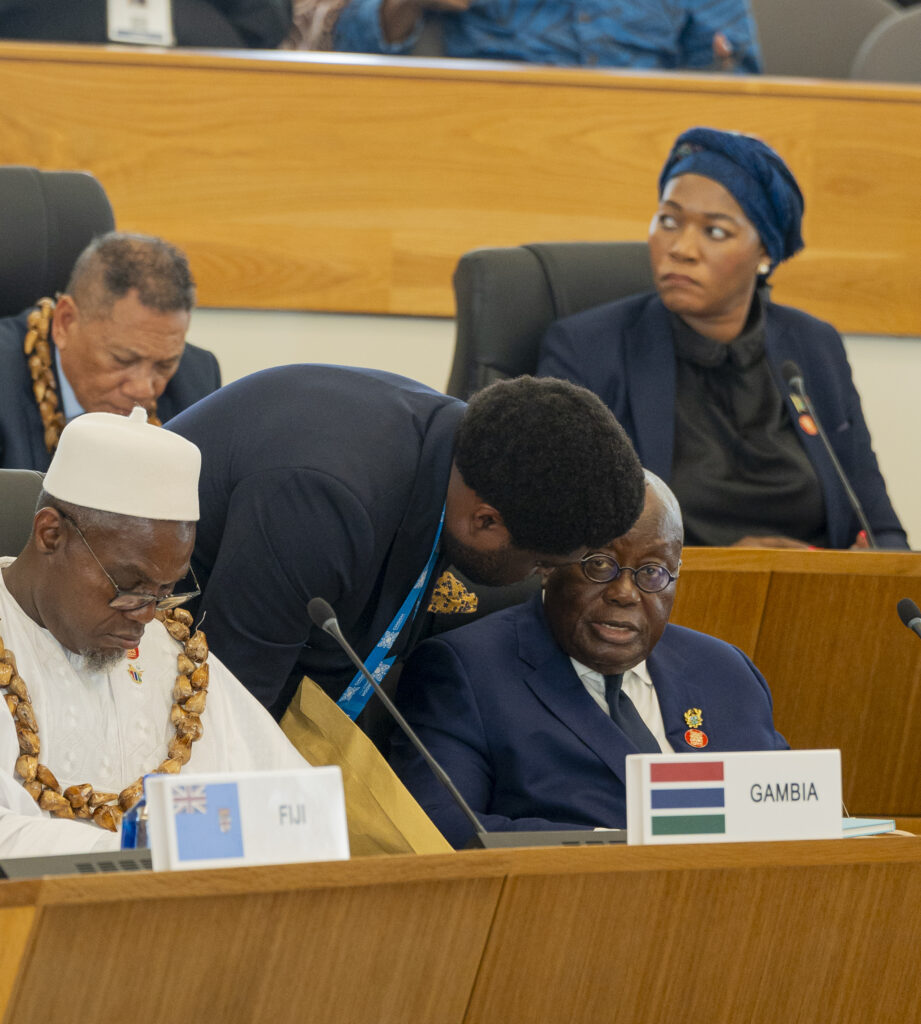
These innovations present vast opportunities for the continent, but also raise complex legal and ethical questions. The foundation of these technologies is data, yet many African countries lack the regulatory infrastructure to manage data protection, digital rights, and the ethical use of AI. Leadership on the continent has generally been slow to understand and respond to these developments in a forward-thinking way. The drive to adopt technology must be matched by an equally strong commitment to safeguarding rights and ensuring inclusive access. There are also legal constraints that inhibit continental integration. Despite the adoption of instruments such as the African Continental Free Trade Area (AfCFTA), national laws in many countries continue to hinder the free movement of people and goods across African borders. Visa regimes remain restrictive, and protectionist policies often contradict our collective aspirations. We need a deliberate rethinking of our legal frameworks to facilitate true pan-Africanism, not just in trade, but in tourism, investment, and people-to-people exchange. Investment laws in many African countries continue to favour non-African investors, often leaving African entrepreneurs excluded from sectors where they could thrive. Local content and participation laws are sometimes passed more to satisfy political optics than to genuinely develop indigenous industries. This represents a missed opportunity to empower local talent and build resilient economies from within. Furthermore, while the rise of civil society and vibrant media across Africa is a welcome development for democratic governance, it also presents its own dilemmas. Many NGOs and civil society groups are heavily reliant on foreign funding, which can inadvertently shape their advocacy agendas. While external support is valuable, there is a need for transparency, accountability, and regulation to ensure that such organisations remain
grounded in the realities and priorities of their own societies. That said, I am encouraged by the emergence of a new generation of African leaders, professionals, and thinkers, many of whom I meet at international conferences, who are unapologetically African, globally aware, and deeply committed to the continent’s advancement. They are shaping a new narrative and pushing for Africa’s voice to be heard
more clearly in global policy discussions. That gives me great hope. In the end, the legal and ethical challenges we face are not insurmountable. But they require principled leadership, visionary policymaking, and a renewed sense of purpose that puts people, and Africa, first.
CAROB MAGAZINE AFRICA: As a World Economic Forum Young Global Leader, what leadership traits do you believe Africa’s youth must cultivate most?
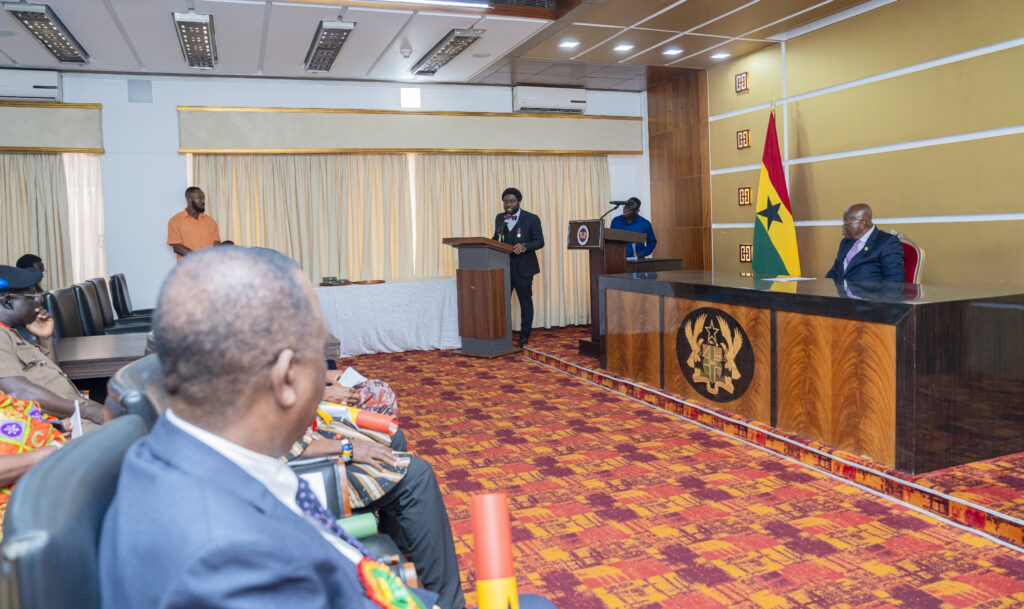
KOW ESSUMAN: Leadership, particularly in Africa, requires more than ambition; it requires character, discipline, and a deep sense of responsibility. My journey as a Young Global Leader (YGL) with the World Economic Forum has given me the opportunity to reflect deeply on what it takes to lead effectively in today’s complex world. It has connected me with some of the most inspiring, forward-thinking individuals across the globe, who are shaping policy and business and reshaping what leadership should mean in the 21st century. That exposure has profoundly influenced my understanding of leadership and the traits we must cultivate among Africa’s youth. First, I believe that selflessness must be at the core of African leadership. Too often, leadership is viewed as a means to personal advancement rather than public service. We must change that narrative. The next generation must be driven by a desire to serve others,
uplift communities, and build nations that work for all, not just a privileged few. Second, open-mindedness is essential. Africa’s challenges are complex, and solving them will require leaders who are not bound by dogma or limited perspectives. They must be willing to listen, learn, and engage across cultures, sectors, and ideologies. The YGL community exemplifies this by bringing together people with diverse backgrounds and a shared commitment to impact. It’s in these exchanges that real innovation and
transformation occur. Third, a global outlook is vital. While our roots are deeply African, our impact must be global. Young African leaders must think beyond borders and position themselves to compete, collaborate, and influence on the world stage. Through my YGL experience, I have come to appreciate the importance of seeing Africa’s development not in isolation, but as part of a broader global movement for equity, innovation, and sustainability. Equally important is respect for the rule of law. Sustainable progress cannot be built on the shifting sands of impunity or arbitrariness. The youth must internalize the fact that
governance, business, and society all function best when there is clarity, fairness, and accountability. Upholding the law is not a technical requirement—it is a moral obligation. I also believe in the importance of loyalty, not in the blind sense, but as a commitment to a cause greater than oneself. Loyalty to one’s country, team, and the ideals of justice and development creates stability and trust, both of which are indispensable in leadership. Finally, a spirit of service and empathy is indispensable. Leadership is about people. It’s about understanding their needs, struggles, and aspirations. We must nurture leaders who walk among their people, not above them, who are emotionally intelligent and socially conscious.
The YGL community has reinforced for me that leadership is not about position; it’s about purpose. It’s about asking: “What am I building? Who am I serving? And what legacy will I leave behind?” If Africa’s youth can commit to these questions with humility and conviction, the future of the continent is not just promising; it’s unstoppable.
What does responsible leadership look like in today’s polarized and digital world? We are living in an age of profound mistrust. Citizens increasingly distrust their leaders, and many politicians have unfortunately reinforced that distrust by failing to match their words with their actions. Globally, even states find it difficult to rely on one another as geopolitics grows more volatile. The digital age—while offering unprecedented access to information has also amplified this crisis of trust. Misinformation spreads rapidly, outrage dominates the discourse, and leaders are scrutinised in real time, often through fragmented and polarised lenses. In such a world, responsible leadership begins with a return to the fundamentals of humanity. It means placing people, not politics, ego, or ideology, at the centre of decision- making. A responsible leader today must embrace empathy, humility, and the discipline of listening. In a polarised environment, it takes courage to genuinely consider divergent views, be open to criticism, and admit when one is wrong. Responsible leadership is also about integrity and consistency: doing what you say you will do, and standing for principles even when they are inconvenient or unpopular. In a digital world where performative leadership is tempting and short-term praise can become addictive, the responsible leader must remain grounded in purpose over popularity.
Importantly, today’s leaders must also learn to govern with inclusivity and collaboration, not control. This means engaging citizens, even those with whom you fundamentally disagree, in the governance process. It means valuing dialogue over dogma, and seeking common ground rather than deepening divisions. It also means recognizing the power and responsibility that comes with digital communication; how leaders speak, what they amplify, and the tone they set online can have a lasting impact. Ideological rigidity is another trap of our time. Responsible leadership requires adaptability; the ability to respond to changing realities with wisdom and pragmatism. It is not weakness to adjust one’s approach when the facts change or when new insights emerge; in fact, that is the essence of maturity in leadership.
Ultimately, responsible leadership today means being anchored in values but agile in action; transparent in communication but deliberate in thought. It’s about being human in a world that is increasingly algorithm-driven and reminding others of their own humanity too.
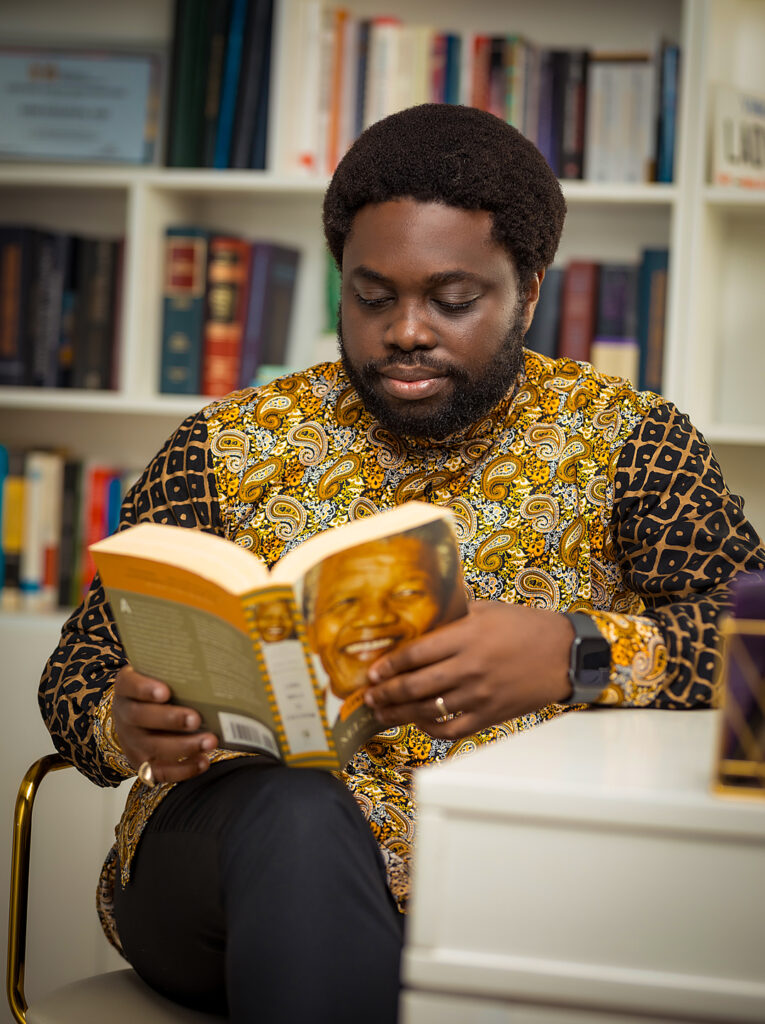
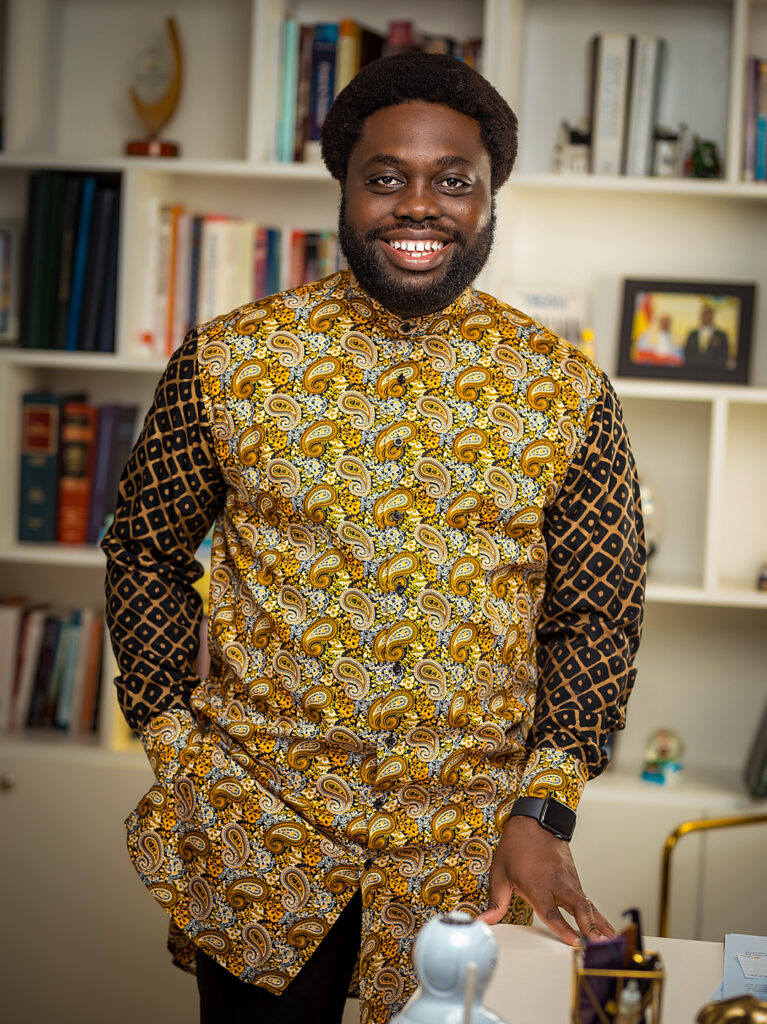
CAROB MAGAZINE AFRICA: You’ve been called a rising public leader. Do you see yourself in politics, and if so, what change would you champion first?
KOW ESSUMAN: Yes, I do see myself in politics. Public service is in my DNA. I come from a lineage of public servants; my parents and grandparents dedicated their lives to education and nation- building. From a young age, I understood that serving others is one of the highest forms of leadership. That understanding has shaped the course of my life and career. I could have remained in the corporate legal world, focused on private practice, and pursued personal wealth and professional accolades. But I made a conscious decision to step into government and serve. That decision has been one of the most enriching experiences of my life. It has taught me that leadership is not about titles or benefits; it’s about using your knowledge, your voice, and your position to improve the lives of others.
If I were to enter frontline politics, the first change I would champion is a redefinition of public service in the minds of the youth. Too often, public service is viewed either as a last resort or as a pathway to personal enrichment. I want to change that narrative. I want young people, especially the brightest and the best, to see public service as a noble calling, a platform for meaningful change, and a space where excellence should thrive. Unfortunately, in recent years, many professionals who might otherwise have brought immense value to the public sector have grown disillusioned. They are discouraged by the
politicization of public institutions and the toxicity of the political climate. As a result, they choose to remain in the private sector or disengage altogether. That is a loss for our countries, our governance, and our future. I want to help build a new culture in which merit, ethics, and service are the hallmarks of
public leadership. One in which young Africans are not afraid to lead from within the system, but are equipped, inspired, and supported to do so. If we can succeed at that, the future of governance on the continent will be in very capable hands. Add politics to that mix, the terrain becomes far more complex. The pressures multiply, and so does the temptation to compromise. That’s where grounding becomes essential, not optional. For me, the foundation was laid early. I was raised in a home where values were not simply taught; they were lived. My parents instilled in us biblical principles and ethical discipline from a very young age. We saw them model integrity, humility, and accountability in their personal and professional lives. And there were consequences when those principles were breached. So, doing the right thing was not just expected; it was part of who we were. One experience that deeply shaped my ethical compass occurred while I was studying at Bar School in England. We were tested on ethics, an essential component of training to become a barrister. When the final results were released, I was shocked to find I hadn’t passed the ethics paper. I believed strongly that there had been an error, and I challenged the results. Despite some initial pushback, my tutors agreed to escalate the matter to the Bar Standards Board. After a thorough review, the panel was split: half agreed with my challenge, half didn’t. As a result, the question was scrapped, and I was asked to retake the exam in a more demanding format: a viva voce, or oral exam. This forced me to dive deeply into the ethical rules governing the legal profession in England and Wales. I emerged from that experience not only successful, I aced the viva, but more importantly, more informed, more confident, and more convicted. The Course Director commended me, saying that standing my ground and challenging the system, respectfully and with evidence, was a sign of a good lawyer. That grounding proved valuable again when I sat for the Professional Responsibility component of the New York Bar Exam, the MPRE, some four months later. Because of my previous ethics preparation, the exam felt intuitive. I passed on the first attempt, and many of my peers were surprised at how easily it came to me. But it wasn’t ease; it was preparation forged through challenge. These formative experiences gave me a heightened sensitivity to ethical issues. I find it difficult to ignore even the smallest breaches of ethics. And over the years, working under some of Ghana’s finest legal minds, including Fui Tsikata, Kojo Bentsi-Enchill, and Ace Anan Ankomah, reinforced those values. Their dedication to excellence and ethical clarity left a lasting impression on me. In high-stakes environments, where legal, political, and moral decisions collide daily, those principles—rooted in upbringing, shaped by adversity, and refined by mentorship—have kept me grounded. They serve as my compass, especially when the terrain gets rough.
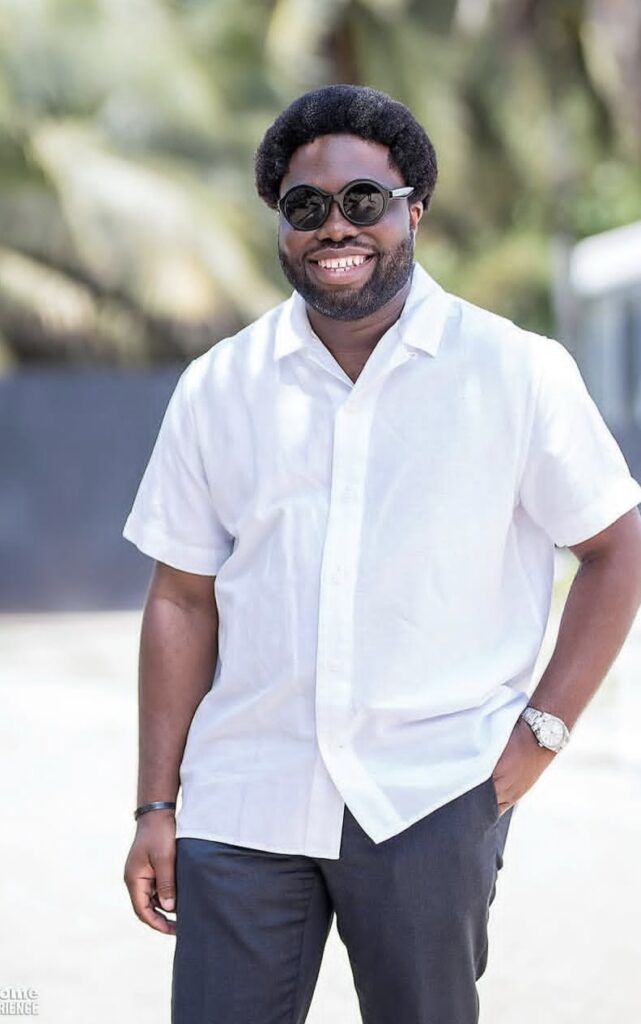
CAROB MAGAZINE AFRICA: What kind of legacy do you hope to leave behind—not just legally, but socially and culturally?
KOW ESSUMAN: I believe legacy is not something you arrive at; it is something you build, day by day,
decision by decision. And while I am still very much in the process of shaping mine, I know that I do not want to be remembered solely as a lawyer, even an outstanding one. The law has been a powerful tool in my life, but the legacy I hope to leave transcends the courtroom, the Constitution, or any single professional title. I want to be remembered for my leadership, for my commitment to service, and for a life that made a meaningful impact on others. I hope that, through my work, whether in government, international fora, or private service, I have contributed to shaping a society that is fairer, more just, and more inspired. I want young people to look at my journey and believe that it is possible to be excellent, ethical, and impactful all at once, and that public service, when done with integrity, is one of the highest callings. Socially and culturally, I hope to leave behind a model of leadership that is grounded in
values but open to the world; one that uplifts rather than alienates, and one that invests in the next generation without seeking anything in return. I hope that my life’s work speaks to the importance of faith, humility, and legacy, not as reputation, but as the lives you touch and the change you set in motion.
If, long after I am gone, someone is moved to lead with purpose, to serve with honour, or to stand for what is right because of something I did or said, then I would have done my part.
CAROB MAGAZINE AFRICA: What’s one truth you wish more young Africans believed about power, purpose, or progress?
KOW ESSUMAN: This is a thoughtful and fitting question to end with, because I believe all three: purpose,
power, and progress, are essential to living a meaningful and fulfilled life. But if I may, I would rearrange them in the order that I believe reflects their true sequence: purpose, then power, then progress. Everything begins with purpose. Once you discover the reason why you are here, or the “why” behind what you do, you unlock a kind of power that is rooted in clarity and conviction. In that sense, purpose itself is power – the power to stay focused, endure challenges, ignore distractions, and move with intention. When you know your purpose, you are no longer tossed by the opinions of others or the pressures of the moment. You are anchored.